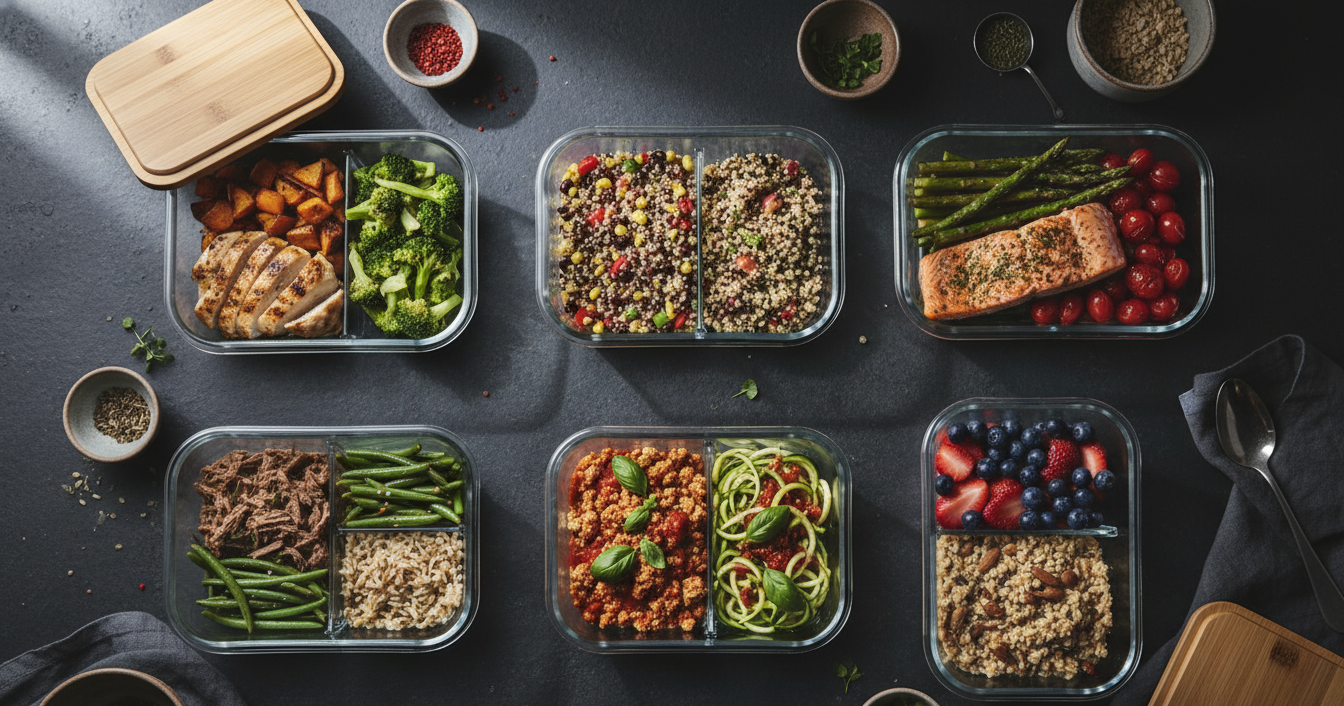
Meal Prep
Freezer Meals for a Deficit
The freezer is an underused weapon in meal prep for cutting. It extends the life of batch-cooked food from 3–4 days to 3–4 months, enables much larger prep sessions with no waste, and provides a reliable backup supply of on-target meals for busy or unpredictable weeks.
Why Freeze?
The practical problem with a single weekly prep session is that it only covers 4–5 days reliably. By Tuesday evening you might be eating something you prepped on Sunday — fine. But by Friday, you're either eating something borderline or you've run out and are improvising. Freezing solves this by creating a buffer.
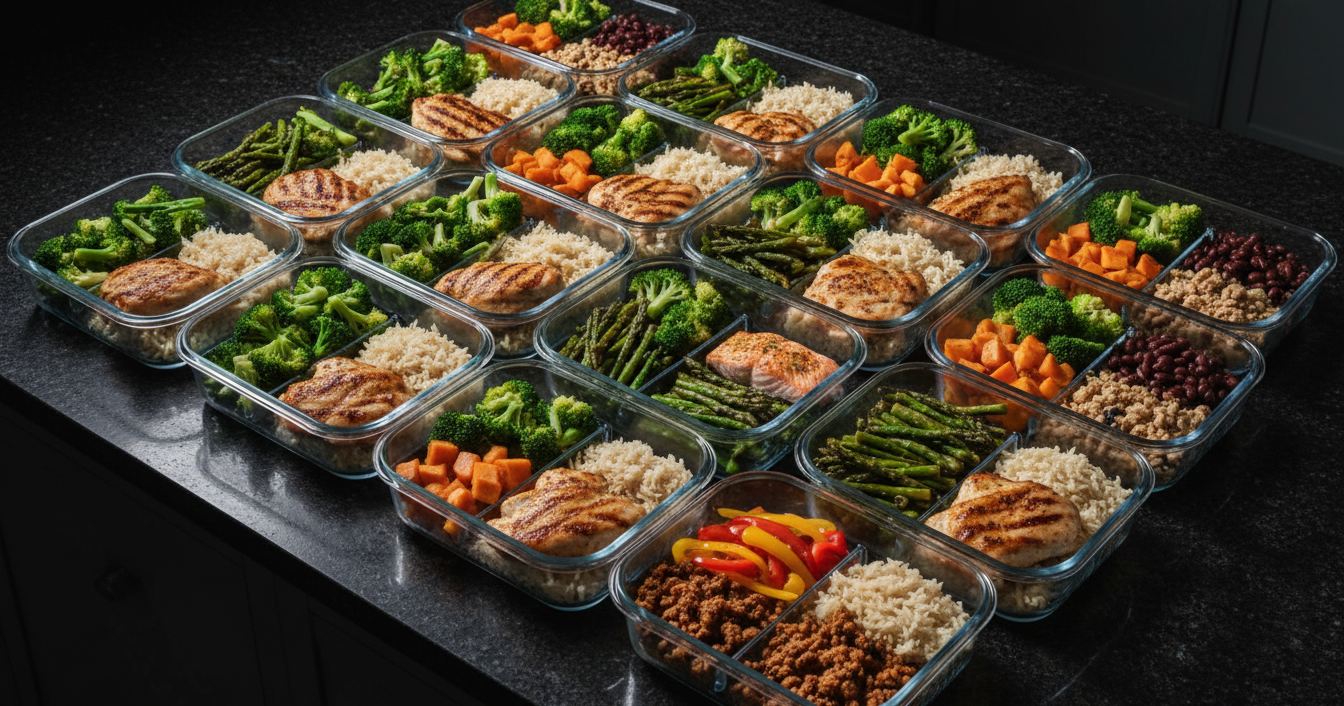
With a good freezer strategy, you always have at least 5–7 portions of protein, 4–6 portions of carb bases, and 3–4 complete meals available regardless of whether you had time to prep that week.
What Freezes Well
Excellent:
- Cooked mince (beef, turkey, chicken mince) — freezes and reheats well in any sauce
- Soups and stews — ideal for batch freezing in portions
- Cooked chicken breast (better if frozen in sauce or stock rather than dry)
- Cooked salmon and white fish — good for 1–2 months
- Cooked lentils, chickpeas, black beans
- Cooked sweet potato and butternut squash
- Cooked rice and quinoa (freeze flat in bags for fast defrosting)
Adequate (some texture change):
- Cooked pasta — slightly softer after freezing but acceptable
- Egg-based dishes (frittatas, egg muffins)
- Cooked vegetables (softer texture but fine in mixed dishes)
Poor:
- Leafy salads and raw vegetables intended to stay crisp
- Dairy-heavy sauces (can split on reheating)
- Dishes with large amounts of fresh cucumber, tomato, or lettuce
Pro Tip
Freeze cooked rice in flat, zip-lock bags — press them flat before sealing. They stack efficiently in the freezer and defrost in 2–3 minutes in a bowl of warm water or directly in a pan with a splash of water.
Portion Before Freezing
The most common freezer meal mistake is freezing a large pot of something and then having to defrost the entire batch to access any of it. Portion into individual meal-sized containers or bags before freezing. This way you can defrost exactly what you need.
Label everything with contents, portion size (in grams), macros if you track them, and date. A permanent marker on masking tape works well for most containers.
Macro Tracking for Frozen Meals
For precise tracking, weigh portions before freezing and note the macros per portion on the label. When you defrost and eat it, you log the pre-frozen macros. This is more reliable than trying to estimate after reheating.
If you're using the Katabolic macro tracking approach, photograph your meals before freezing or keep a notes file with each batch's macro data.
Building a Freezer Buffer
The goal is to maintain a "minimum of 1 week of backup meals" in your freezer at all times. Build this gradually — each prep session, batch an extra 2–3 portions for the freezer rather than consuming everything immediately. Within a month, you have a full week's buffer.
Warning
Don't stack food for months without reviewing what's in there. Do a freezer audit every 4–6 weeks. Most cooked meals are best consumed within 2–3 months of freezing — beyond that, quality (texture, flavour) deteriorates even if the food remains safe to eat.
Defrosting Safely
The safest methods in order of preference:
- Fridge overnight — slowest but safest; plan ahead
- Cold water submersion — fast (1–2 hours for a single portion), safe if water is cold and food is sealed
- Microwave defrost function — fast and safe if used immediately after defrosting
- From frozen directly in a pan or oven — works well for mince, soups, rice
Never defrost at room temperature for extended periods — this is the food safety risk to avoid.
Glass Meal Prep Containers
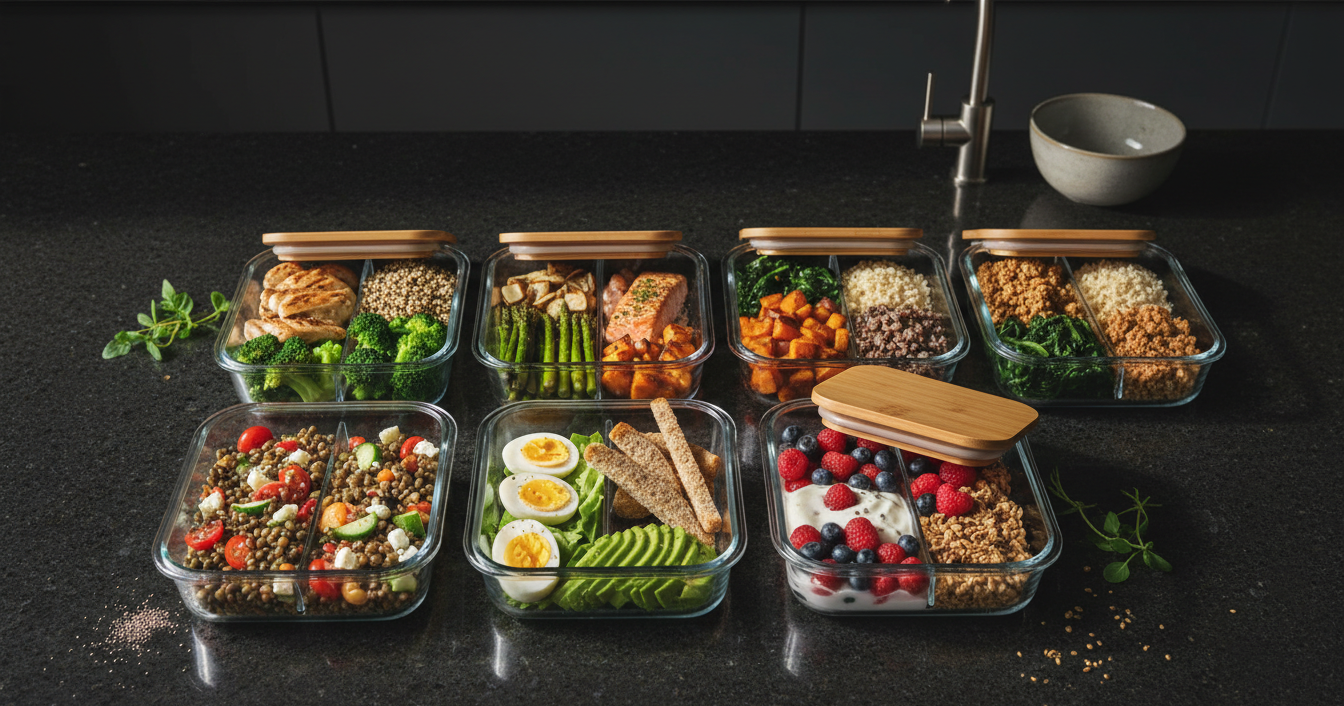
Microwave-safe glass with snap lids. Worth upgrading from plastic.
Affiliate link. See our disclosure.
Key Takeaways
- Freezing extends prepped food from 3–4 days to 2–3 months, creating a reliable buffer
- Mince, soups, cooked chicken in sauce, grains, and legumes all freeze excellently
- Portion before freezing — never freeze in one large batch
- Label everything with contents, portion weight, macros, and date
- Maintain a minimum 1-week buffer in the freezer for unpredictable weeks
- Defrost in the fridge overnight or via cold water submersion; avoid room temperature defrosting
More like this