Meal Prep
How to Cook Chicken Breast
Dry, rubbery chicken breast is the cliché of diet food — and entirely avoidable. The problem isn't the ingredient; it's the technique. Chicken breast is extremely lean (and therefore unforgiving of overcooking), but cooked correctly it's genuinely good food that holds up through the week in meal prep.
Why Chicken Breast Gets Dry
Chicken breast has very little fat to provide moisture during cooking. Fat is the buffer that allows other protein sources (thigh, salmon, beef) to tolerate higher temperatures without becoming chalky. Breast has no such protection — overcooking even slightly squeezes out moisture and tightens the protein fibres into an unpleasant texture.
The target internal temperature is 74°C (165°F). Nothing above this is required for food safety or palatability. Going to 85°C+ is what produces dry chicken.
A meat thermometer costs £8–12 and is the single most useful tool for cooking chicken correctly. If you're meal prepping chicken consistently, it pays for itself in reduced waste.
Method 1: Oven Baking (Best for Batch Prep)
Best for: Large batches, hands-off cooking while preparing other components.
- Preheat oven to 190°C fan
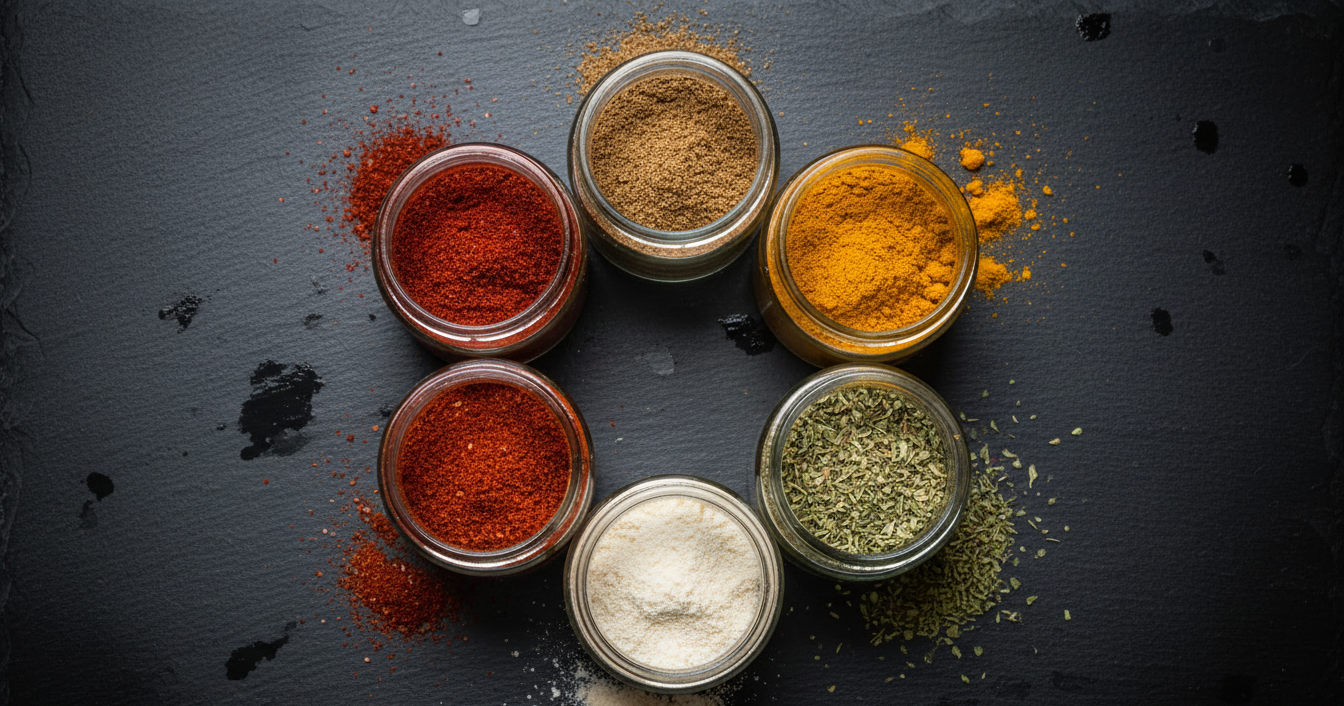
- Season chicken breasts (see seasoning guide)
- If breasts are thick (over 2.5cm), slice them in half horizontally or pound to even thickness
- Place in a roasting dish with a splash of water, chicken stock, or oil to create some steam
- Cover loosely with foil for the first two-thirds of cooking time
- Cook 20–25 minutes for medium breasts (150–180g); 25–30 minutes for large (200–250g)
- Check internal temperature reaches 74°C; rest for 3–5 minutes before slicing
Pro Tip
Brining chicken breast before baking dramatically improves moisture retention. Dissolve 1 tablespoon of salt in 500ml of cold water, submerge the chicken for 30 minutes to 2 hours in the fridge, then rinse and pat dry before seasoning and cooking. This is particularly worth doing for batch prep where the chicken will be stored for several days.
Method 2: Poaching (Best for Versatility)
Best for: Chicken that will be used shredded — in salads, wraps, stir-fries, or pasta dishes.
- Place chicken breasts in a saucepan with cold water or stock to just cover
- Add aromatics: halved garlic cloves, a bay leaf, peppercorns, herbs (thyme, rosemary)
- Bring to the boil, then immediately reduce to a very gentle simmer (barely bubbling)
- Cook 15–18 minutes for medium breasts; 20–22 for large
- Remove and allow to rest in the liquid for 5 minutes before removing
- Shred or slice immediately while warm — it's much easier at this stage
Poached chicken retains the most moisture and the poaching liquid can be used as a light stock.
Method 3: Pan-Cooking (Fastest, Best for Individual Portions)
Best for: Single servings, when you want some colour and caramelisation on the surface.
- Slice breast to approximately 1.5–2cm thickness (butterfly or slice)
- Season well and add 1 tsp of olive oil to a non-stick pan
- Heat pan to medium-high; the oil should shimmer before the chicken goes in
- Cook 3–4 minutes on the first side without moving it (allow crust to form)
- Flip and cook a further 3–4 minutes
- Rest on a board for 2 minutes before slicing
Warning
Cooking chicken straight from the fridge significantly increases cooking time and produces uneven results — the outside overcooks before the centre reaches safe temperature. Take chicken out of the fridge 15–20 minutes before cooking for more consistent results.
Macro Reference (per 100g cooked)
- Calories: approximately 165 kcal
- Protein: 31g
- Fat: 3.6g
- Carbohydrates: 0g
These figures vary slightly based on cooking method and whether any oil is used.
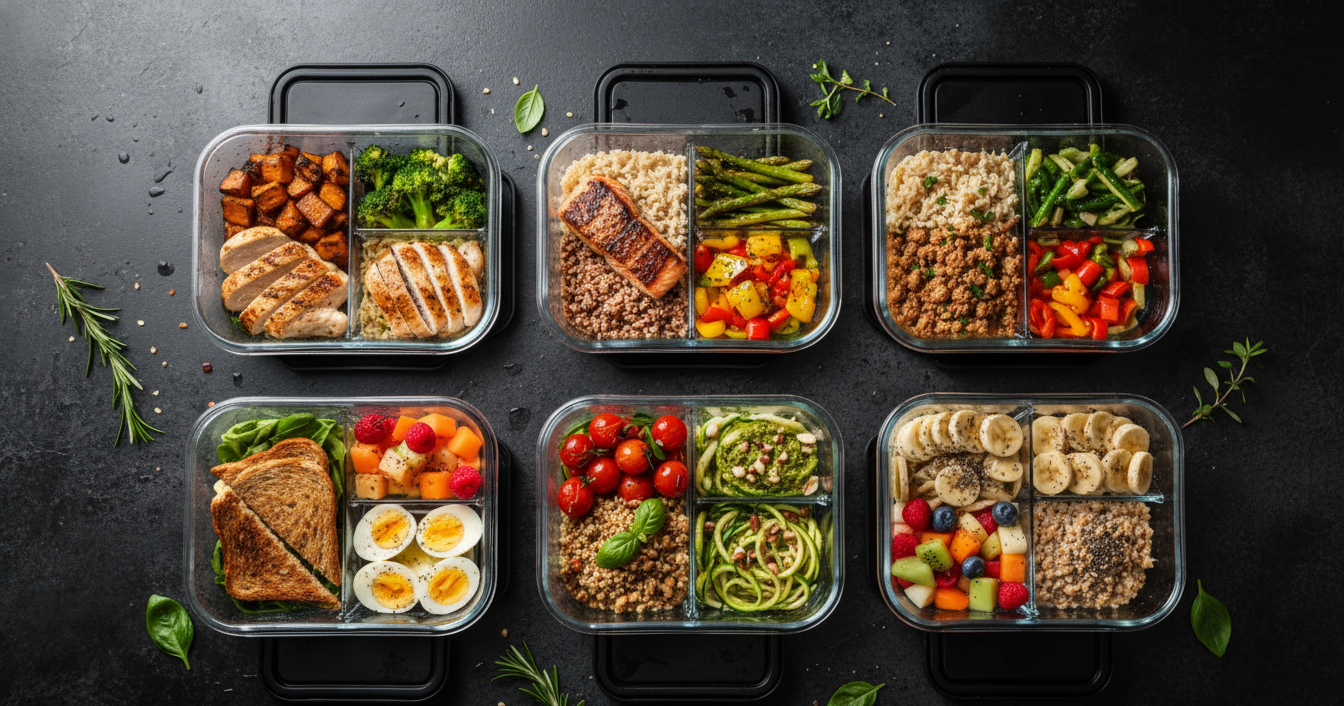
Glass Meal Prep Containers
Microwave-safe glass with snap lids. Worth upgrading from plastic.
Affiliate link. See our disclosure.
Key Takeaways
- Chicken breast dries out because it has minimal fat — internal temperature of 74°C is the target, not higher
- A meat thermometer removes guesswork and prevents both undercooked and overcooked chicken
- Brining for 30 minutes to 2 hours significantly improves moisture retention in batch prep
- Oven baking is best for batches; poaching is best for shredded chicken; pan-cooking is fastest for single servings
- Rest cooked chicken 2–5 minutes before slicing — cutting immediately releases trapped moisture
- Take chicken out of the fridge 15–20 minutes before cooking for even results
More like this