Nutrition Science
Nutrient Partitioning
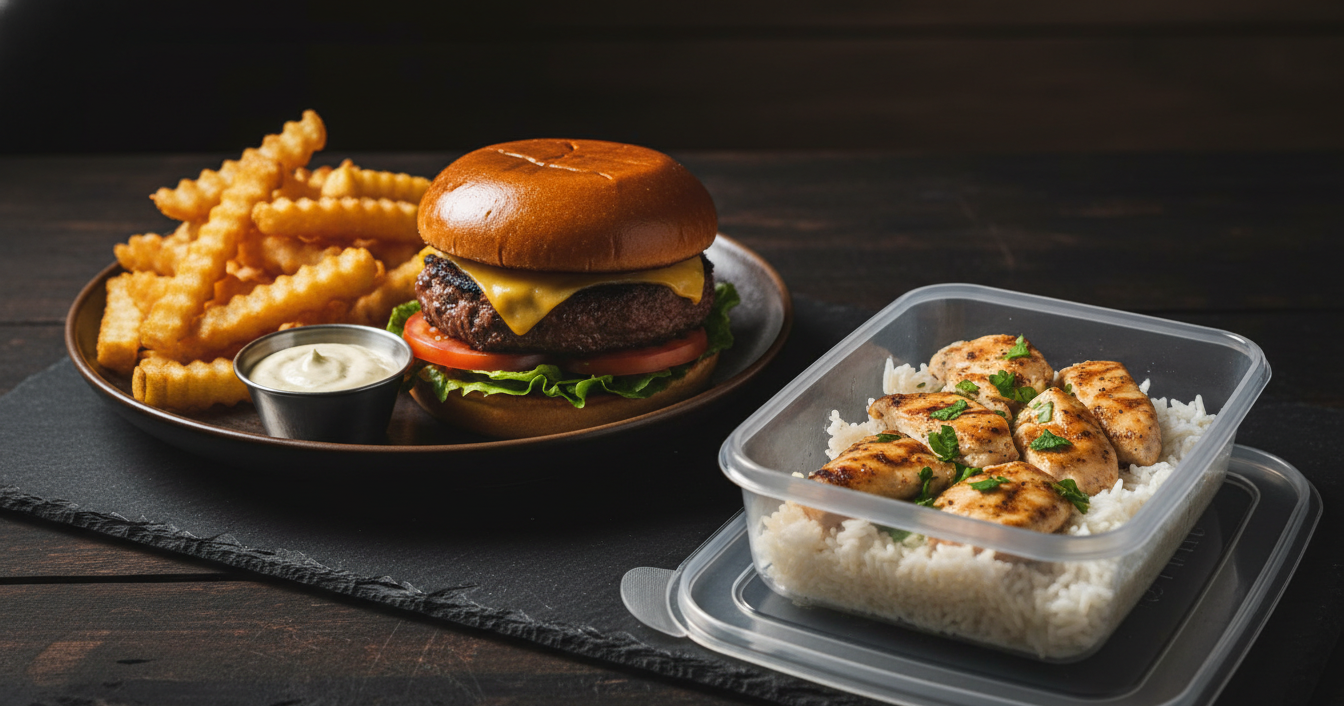
Not everyone who eats the same diet and follows the same training programme has the same result. Some people add muscle more readily; some store fat more easily. This isn't entirely random — nutrient partitioning describes the process that determines where your body sends the calories you consume.
What Is Nutrient Partitioning?
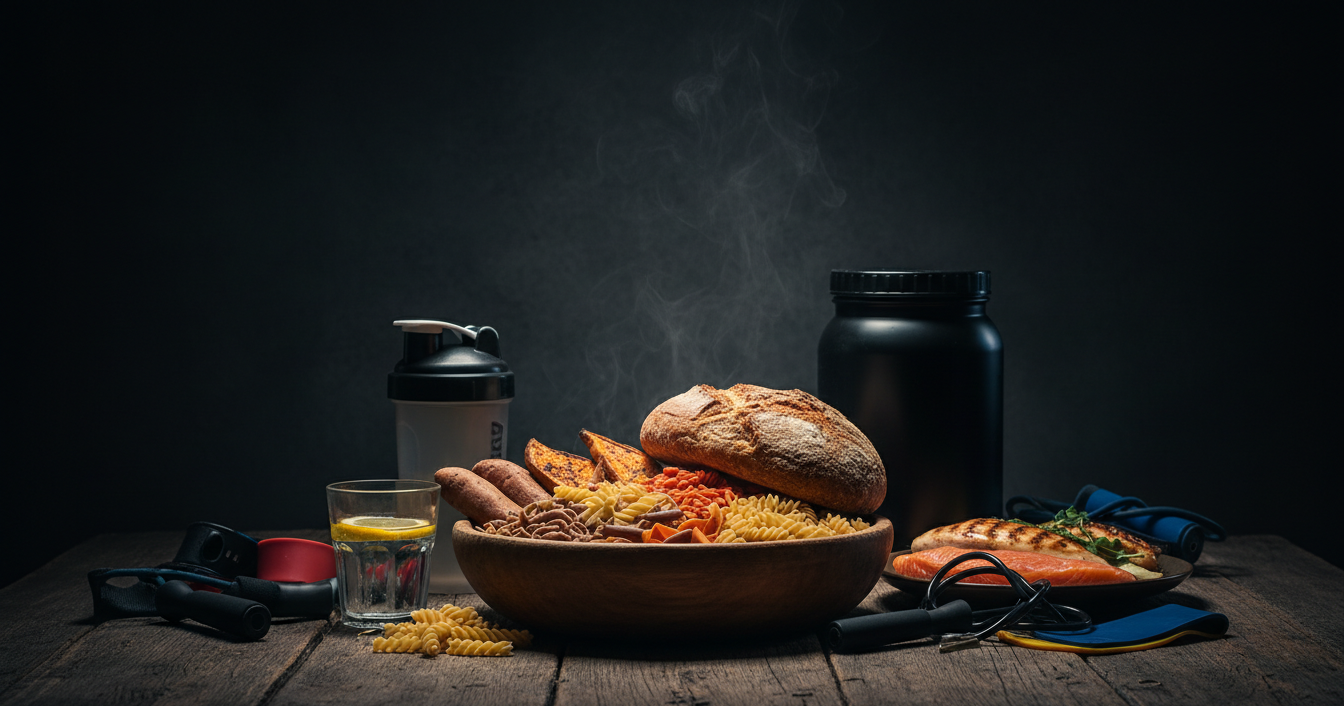
Nutrient partitioning refers to how the body allocates incoming energy and nutrients between different tissues and processes. When you eat 500 kcal, those calories don't have a predetermined destination — they can go to:
- Muscle protein synthesis (repair and growth)
- Glycogen storage in muscle and liver
- Fat storage
- Immediate energy production (ATP)
- Supporting organ function and metabolic processes
The ratio in which these destinations receive energy is what nutrient partitioning describes. A "good partitioner" directs more calories toward muscle and less toward fat. A "poor partitioner" does the opposite.
What Determines Partitioning?
Insulin sensitivity. The most important variable. Good insulin sensitivity means glucose and amino acids are efficiently taken up by muscle tissue. Poor insulin sensitivity (a feature of metabolic syndrome, obesity, and sedentary behaviour) means more glucose ends up stored as fat. Regular exercise — especially resistance training — is the primary driver of improved insulin sensitivity.
Training status. An actively trained muscle has elevated GLUT4 transporter activity and greater capacity for amino acid uptake for hours after a training session. This is the mechanism by which training improves partitioning: trained muscles become more efficient at capturing nutrients.
Body fat percentage. Higher body fat correlates with worse insulin sensitivity and poorer partitioning. This is one reason it's recommended to be relatively lean before beginning a building phase — you'll partition a higher proportion of surplus calories to muscle relative to fat.
Hormonal environment. Higher testosterone, lower cortisol, and adequate growth hormone favour muscle over fat storage. This is why sleep, moderate deficit sizing, and managing stress all affect body composition beyond their direct caloric contributions.
Pro Tip
Resistance training before a higher-calorie meal or refeed days is an effective practical strategy for directing those calories toward muscle rather than fat. The muscle's enhanced nutrient uptake window is open for 24–48 hours post-training — meals eaten during this window are partitioned more favourably.
Nutrient Partitioning and Body Recomposition
Nutrient partitioning is central to understanding body recomposition. The reason beginners and those returning from a break can simultaneously lose fat and gain muscle is that their partitioning is highly responsive to training — new trainees redirect nutrients to muscle dramatically more efficiently than their baseline would suggest.
Advanced, lean trainees have a narrower partitioning advantage because their muscles are already well-trained and insulin-sensitive to a higher baseline degree. This is why recomposition becomes progressively harder as you advance.
How to Improve Your Partitioning
Train consistently. Resistance training is the most powerful partitioning tool available. Post-training glucose uptake in trained muscle can be 5–10x resting levels.
Improve insulin sensitivity through diet. Higher fibre intake, lower refined sugar, adequate sleep, and overall calorie management all improve insulin sensitivity meaningfully.
Manage body fat. Reducing excess body fat improves the hormonal and metabolic environment for partitioning, setting up subsequent building phases for better outcomes.
Sleep adequately. Poor sleep worsens insulin sensitivity and reduces GH output — both of which directly impair nutrient partitioning toward muscle.
Timing calories around training. Not critical at scale, but training in a fed state and having carbohydrates around training maximises muscle glycogen availability and post-training nutrient uptake.
Warning
Supplements and "partitioning agents" marketed online have limited evidence compared to resistance training and diet quality. Berberine has some modest insulin-sensitising data; everything else in this category is mostly noise. Focus on fundamentals before spending money on supplements claiming to alter partitioning.
Supplement Starter Kit
Whey protein, creatine, and vitamin D — the three supplements with genuine evidence behind them.
Affiliate link. See our disclosure.
Key Takeaways
- Nutrient partitioning describes how calories are directed between muscle, fat, and energy production
- Insulin sensitivity is the primary driver — regular resistance training significantly improves it
- Higher body fat and poor sleep worsen partitioning; being lean and well-rested improves it
- Beginners partition nutrients to muscle more efficiently, enabling body recomposition
- Training before higher-calorie meals directs incoming nutrients preferentially to trained muscle
- Fundamentals (training, sleep, diet quality) drive partitioning far more than any supplement
More like this