Fat Loss Strategies
Measuring Body Fat at Home: Your Options Ranked
Everyone on a cut wants to know their body fat percentage. The problem is that home measurement methods vary wildly in accuracy, and some give readings so inconsistent they're worse than useless. Here's an honest ranking of your options.
Why Body Fat Percentage Is Hard to Measure
Body fat isn't directly visible on a scan or measurement — it's estimated using proxy measurements (skinfolds, electrical resistance, X-ray density). Every method has assumptions baked in, and those assumptions don't fit everyone equally well.
The "true" body fat percentage doesn't really exist as a single measurable fact — it depends on the methodology. What matters for tracking is consistency: using the same method over time to see relative change, even if the absolute number isn't perfectly accurate.
Method Rankings
1. DEXA Scan — Gold Standard
DEXA (dual-energy X-ray absorptiometry) measures bone density, lean mass, and fat mass across your whole body by passing two X-ray beams at different energies. It's the most accurate available method outside of cadaver dissection.
Accuracy: Very high (1–2% error range) Cost: £50–100 per scan at private clinics in the UK Availability: Major UK cities have specialist body composition clinics; some sports science labs offer them
Best use: At the start and end of a significant cut (8–16 weeks). The detailed breakdown of regional fat distribution is also useful for identifying where fat is being lost first.
2. Skinfold Callipers — Practical and Underrated
Skinfold callipers measure subcutaneous fat (the fat just under the skin) at specific body sites. The measurements are entered into equations that estimate total body fat. With practice and a standardised protocol (same sites, same time of day), they're surprisingly accurate.
Accuracy: 3–5% error with good technique and consistent protocol Cost: £10–30 for a decent pair (Slimguide or Harpenden callipers) Difficulty: Requires practice; having someone else take your measurements is more reliable than measuring yourself
Best use: Regular (monthly) tracking during a cut. The absolute number matters less than the trend — are skinfold measurements decreasing over time?
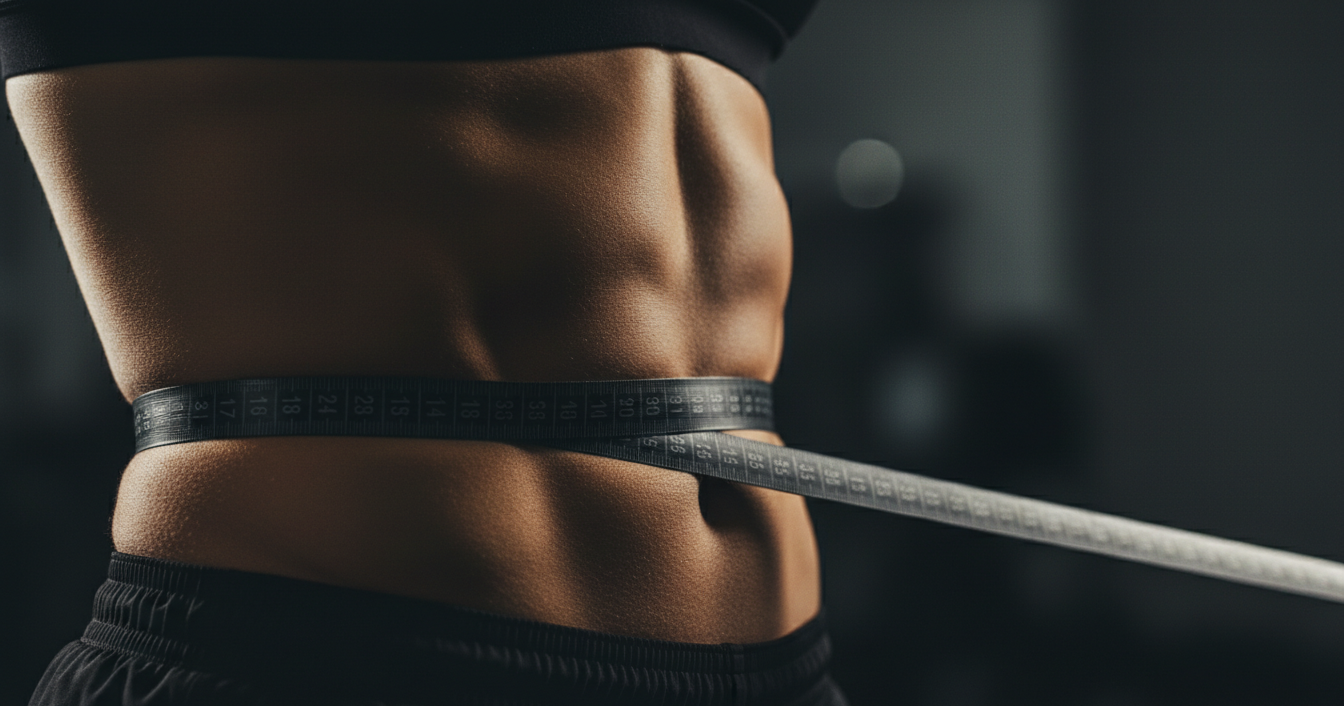
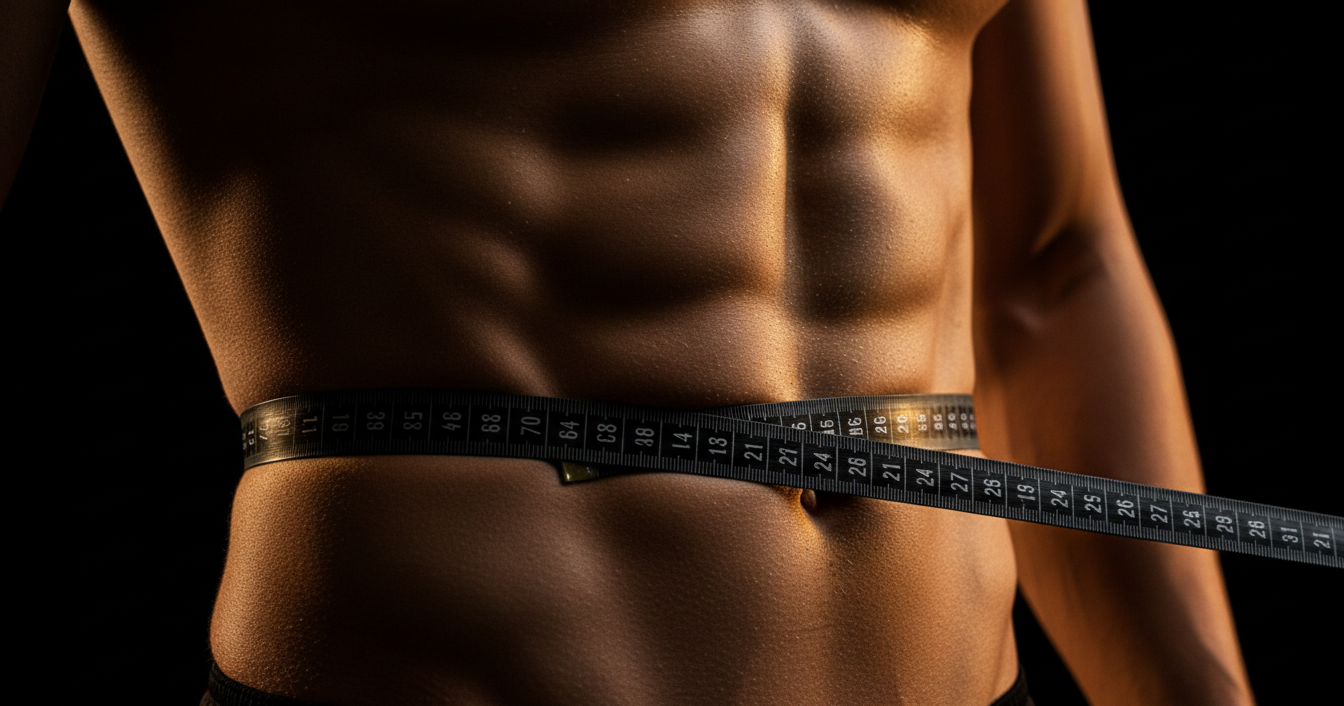
3. Navy Method (Tape Measurement Formula)
The US Navy body fat formula uses circumference measurements (neck, waist, hips) to estimate body fat via a validated equation. Completely free and requires only a tape measure.
Accuracy: 3–4% error in populations it was validated on; less reliable for individuals at extremes of muscularity or fat distribution Cost: Free (tape measure required) Difficulty: Very easy; takes 2–3 minutes
Best use: Regular tracking as a supplement to scale weight. The waist measurement alone is highly informative.
Pro Tip
Use the free Navy method for monthly tracking and invest in a DEXA scan at the start and end of your cut. This gives you accurate bookends with consistent data in between.
4. Bioelectrical Impedance Scales — Convenient but Unreliable
BIA scales send a small electrical current through your body and estimate fat percentage based on resistance. They're built into most "smart scales" and many gym body composition analysers.
Accuracy: ±5–8% on a good day; can vary by 5%+ between measurements taken hours apart Cost: Built into scales you may already own (£30–200) The problem: Readings are heavily influenced by hydration, food intake, last bowel movement, time of day, and temperature. Taking a reading before vs. after drinking 500ml of water can change the result by 2–3%.
Best use: As a very rough guide only. Never compare a morning BIA reading to an afternoon reading. If you use it, standardise the conditions strictly and track trends over months, not weeks.
5. Visual Estimation — Rough but Useful
Comparing your current physique to reference photo charts of known body fat percentages gives a rough visual estimate. Not precise, but it gives you a ballpark.
Accuracy: Highly subjective; most people overestimate their body fat (especially men) or underestimate it (some women) Cost: Free
Warning
Online body fat percentage calculators using only height, weight, and age are highly inaccurate. They're essentially BMI-derived estimates. Don't use them to make dietary or training decisions.
Supplement Starter Kit
Whey protein, creatine, and vitamin D — the three supplements with genuine evidence behind them.
Affiliate link. See our disclosure.
Key Takeaways
- DEXA scanning is the most accurate home-accessible method — worth the cost at key checkpoints
- Skinfold callipers offer good accuracy with consistent technique and very low cost
- The Navy method tape measurement formula is free and useful for regular tracking
- BIA scales are convenient but too variable for reliable body fat tracking — use for weight only
- Absolute numbers matter less than the trend — pick one method and track it consistently
More like this
Related guides
Fat Loss Strategies
Plateau-Breaking Strategies: Why Fat Loss Stalls and How to Fix It
7 min read
Fat Loss Strategies
Common Cutting Mistakes (And How to Avoid Them)
7 min read
Fat Loss Strategies
Body Composition vs Scale Weight: Why the Number on the Scales Lies
6 min read
Fat Loss Strategies
The Whoosh Effect: Why the Scale Suddenly Drops
5 min read