Nutrition Science
Hydration Guide
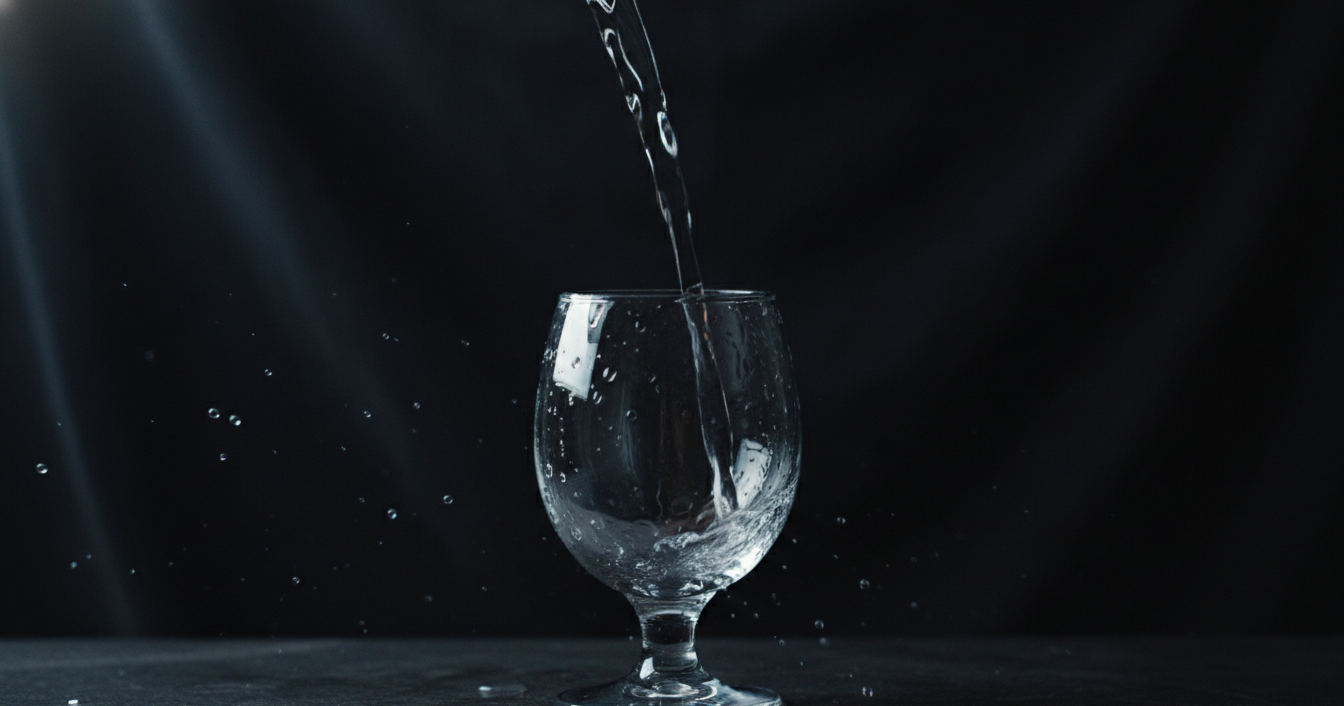
Hydration doesn't get the same attention as macros or training splits, but it directly affects energy, training performance, appetite regulation, and your ability to read your own progress. During a cut, when you're managing multiple physiological stressors simultaneously, staying well-hydrated is low-effort, high-return.
How Much Water Do You Actually Need?
The popular "eight glasses a day" rule has no meaningful scientific basis — it's a simplified heuristic that ignores bodyweight, activity level, temperature, and dietary water intake.
A more evidence-based starting point: 30–40ml per kg of bodyweight per day, plus approximately 500ml per hour of moderate exercise. For an 80kg person training 5 days a week, this works out to around 2.4–3.2 litres on rest days and 2.9–3.7 litres on training days.
Food also contributes significantly to water intake — fruit, vegetables, cooked grains, and dairy all contain substantial water content. If your diet is high in these foods, your total fluid intake from drinking can be at the lower end of the range.
Pro Tip
The simplest hydration check is urine colour. Pale yellow = well-hydrated. Dark yellow = mildly dehydrated, drink more. Clear = overhydrated, which is rarely a practical issue but can dilute electrolytes. Aim for pale yellow consistently.
How Dehydration Affects a Cut
Even mild dehydration (1–2% of bodyweight) measurably impairs:
Training performance. Strength, endurance, and coordination all decline. A 2021 meta-analysis found that 2% dehydration reduced maximal strength by approximately 5–8% — meaningful for maintaining training stimulus during a cut.
Hunger and appetite. Thirst and hunger signals overlap in the brain. Mild dehydration is frequently misinterpreted as hunger. Drinking a large glass of water before meals has shown modest effects on reducing subsequent food intake in several studies.
Cognitive function. Concentration, mood, and decision-making are all impaired by dehydration. During a cut when willpower is already under pressure, being chronically mildly dehydrated makes dietary adherence harder.
Fat oxidation. Water is required for lipolysis — the process of breaking down fat stores for energy. Adequate hydration supports fat metabolism at the cellular level.
Water and the Scale
Water intake affects your scale weight significantly. Drinking a litre of water adds approximately 1kg to immediate scale weight. This is not a reason to reduce water intake to make the scale look better — it's a reason to weigh yourself consistently, in the same hydration state, every day.
Drinking more water doesn't cause water retention — if anything, consistent adequate hydration helps your kidneys flush excess sodium and reduce the water retention triggered by sodium load.
Practical Strategies
Drink before you're thirsty. Thirst is a lagging indicator — you're already mildly dehydrated by the time thirst kicks in significantly. Proactive drinking is more effective than reactive.
Start the day with a large glass. After an overnight fast, you wake up mildly dehydrated. Drinking 500ml of water immediately after waking rehydrates you and contributes to the day's total.
Carry a bottle. Proximity is the biggest driver of water intake. People who keep a water bottle at their desk or in their bag consistently drink more than those who don't.
Count tea and coffee. Despite the diuretic myth, caffeine in moderate amounts (up to around 400mg/day) does not cause net dehydration in habitual consumers. Your morning coffee counts toward your fluid intake.
Warning
Drinking large volumes of water very rapidly can, in rare extreme cases, cause hyponatraemia (dangerous sodium dilution). This is not a risk from normal healthy hydration — it requires litres consumed over a very short period, typically in endurance event contexts.
Greens Powder
Quick micronutrient insurance for days when vegetable intake is low.
Affiliate link. See our disclosure.
Key Takeaways
- Aim for 30–40ml per kg of bodyweight per day, plus ~500ml per hour of exercise
- Pale yellow urine is the simplest indicator of adequate hydration
- Even mild dehydration (1–2%) impairs strength, concentration, and appetite regulation
- Thirst is a lagging indicator — drink proactively
- Tea and coffee count toward daily fluid intake despite the diuretic myth
- Consistent hydration is one of the lowest-effort, highest-return habits during a cut
More like this