Fat Loss Strategies
The 10,000 Steps Myth: Where Did It Come From?
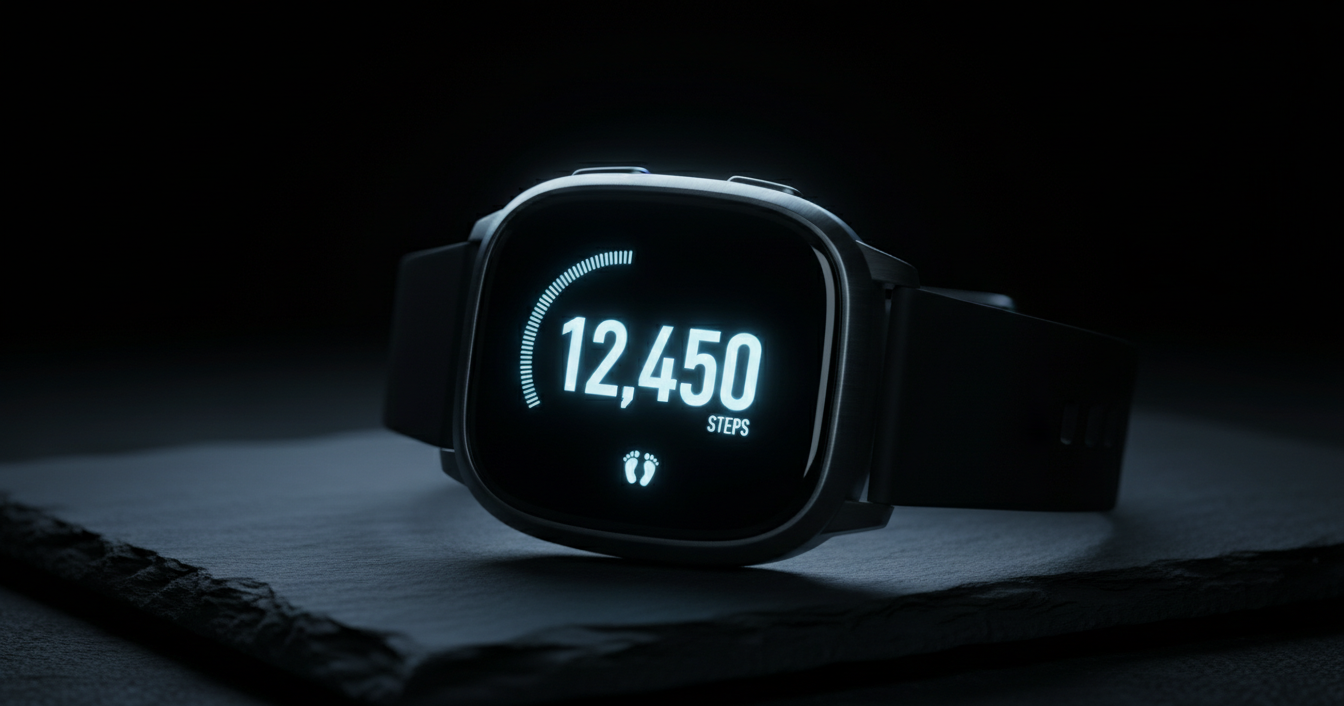
If you own a fitness tracker, there's a good chance 10,000 steps is your default daily target. The number is so ubiquitous it feels like it must be grounded in solid science. It isn't. Its origin is simultaneously mundane and remarkable — and understanding it changes how you should think about your activity targets.
Where 10,000 Steps Came From
The 10,000 steps target was invented as a marketing slogan.
In 1965, a Japanese company called Yamasa Clock launched a pedometer called the "Manpo-kei" — which translates roughly as "10,000 steps meter." The number 10,000 was chosen because the Japanese character for it (万) vaguely resembles a person walking, and it sounded like a suitably impressive, round target for a marketing campaign.
There was no clinical research behind it. No committee of scientists recommended it. It was a promotional device for a walking gadget.
The figure got picked up and propagated through decades of health messaging, eventually becoming embedded in consumer fitness technology by default.
So Is 10,000 Steps Useless as a Target?
Not exactly. The target isn't wrong — it's just arbitrary, and for some people it may be too high or too low.
Research conducted since the 10,000 steps myth took hold actually suggests the health benefits plateau somewhere around 7,500–8,000 steps for many populations, particularly in terms of all-cause mortality risk. A landmark study in JAMA Internal Medicine (2019) found diminishing returns above that threshold for women in older age groups.
For younger, active individuals trying to maximise energy expenditure during a cut, 10,000 steps or even more may be genuinely useful — not for health endpoints, but purely as a calorie-burning tool.
What This Means for Your Cut
The number itself matters less than the principle behind it: more daily movement is better than less, particularly when you're in a calorie deficit.
What you should focus on:
- Your personal baseline — if you're currently averaging 4,000 steps, 7,000 is a win. 10,000 is aspirational.
- Trend over time — is your daily movement staying consistent or declining as the cut progresses?
- Calorie expenditure — every 1,000 extra steps burns roughly 30–50 calories. The goal is to protect and grow total daily expenditure.
Pro Tip
Use 10,000 as a rough aspiration if it helps you stay consistent. But don't let missing the number feel like failure when 8,000 solid steps achieves most of the meaningful benefit. What matters is the habit of consistent daily movement.
Other Arbitrary Fitness Numbers That Aren't Science-Based
While we're here:
"8 glasses of water a day": No single scientific study established this. Hydration needs vary dramatically by size, activity, climate, and diet. Drink to thirst, monitor urine colour.
"30 minutes of exercise, 5 days a week": This one does have some basis in guidelines from organisations like the NHS, but the specific numbers are rounded minimums, not precise optima.
"Eat 5 times a day to boost metabolism": No evidence that meal frequency meaningfully affects metabolic rate. Eat in whatever pattern suits your hunger and schedule.
The Takeaway
10,000 steps is a harmless, motivating target if it works for you. But it's not the minimum required for health or fat loss. If you're consistently walking 7,500–8,000 steps, you're capturing most of the health benefit. If your goal is energy expenditure during a cut, try to maintain or beat your baseline daily — whatever number that turns out to be.
Warning
Myprotein Impact Whey
The UK's best-selling protein powder. 21g protein per scoop, under 50p per serving on sale.
Affiliate link. See our disclosure.
Key Takeaways
- 10,000 steps was a 1965 Japanese marketing slogan, not a scientific recommendation
- Research suggests health benefits plateau around 7,500–8,000 steps for most populations
- For cutting, the priority is maintaining or increasing your personal baseline, not hitting a universal target
- Trend and consistency matter more than a specific daily number
- Don't let arbitrary step targets add stress — consistent movement is the actual goal
More like this
Related guides

Fat Loss Strategies
Setting Realistic Fat Loss Goals: What's Actually Achievable
6 min read

Fat Loss Strategies
Step Count Targets: How Many Steps Do You Actually Need?
5 min read

Fat Loss Strategies
Plateau-Breaking Strategies: Why Fat Loss Stalls and How to Fix It
7 min read

Fat Loss Strategies
NEAT and Daily Activity: The Fat Loss Variable Nobody Talks About
6 min read