Supplement Guides
Protein Powder Buyer's Guide UK: What to Buy and What to Avoid
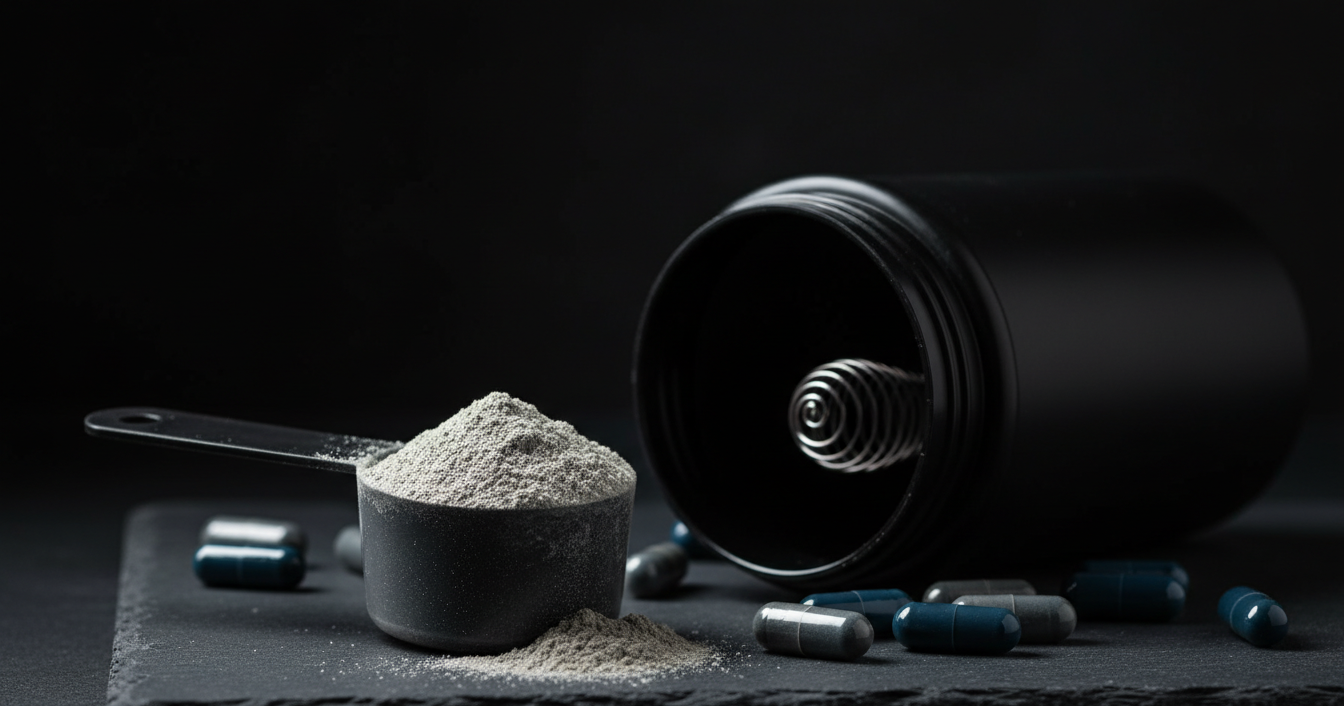
Protein powder is one of the few supplements that genuinely earns its keep. It's not magic — it's just convenient protein. The challenge is that the UK market is saturated with products ranging from genuinely excellent to overpriced and under-dosed. This guide helps you buy smart.
Do You Actually Need Protein Powder?
Protein powder is not essential. It's a supplement — it supplements your diet. If you're consistently hitting 1.6–2.2g of protein per kg of bodyweight from food (chicken, eggs, fish, Greek yogurt, cottage cheese, etc.), you don't need a powder.
Most people find it genuinely difficult to hit these targets from food alone, especially during a cut when overall calories are lower. That's where protein powder earns its place — convenient, low-calorie, and fast to prepare.
Types of Protein Powder
Whey Protein (Concentrate and Isolate)
The gold standard for most people. Whey is a byproduct of cheese production, has a complete amino acid profile, and is rapidly digested — making it ideal post-workout or any time you need a quick protein hit.
- Whey concentrate: 70–80% protein by weight, slightly higher fat and lactose, cheaper
- Whey isolate: 90%+ protein by weight, minimal fat and lactose, more expensive
For most people, concentrate is fine and better value. Isolate is worth considering if you're lactose-sensitive or want maximum protein per calorie during a very strict cut.
Casein Protein
Slow-digesting (absorbs over 5–7 hours vs. 1–2 for whey). Popular as a before-bed protein source to support overnight muscle protein synthesis. Not dramatically better than whey for body composition in practice, but a reasonable addition if you regularly sleep on low protein.
Plant-Based Protein
Pea, rice, hemp, or blended plant proteins. The key issue with most single-source plant proteins is incomplete amino acid profiles. Pea + rice blends solve this and have the best evidence among plant options. Quality has improved dramatically in recent years.
Slightly less bioavailable than whey, so aim for 10–20% more in each serving to compensate.
What to Look For on the Label
Protein per serving: Aim for at least 20–25g of protein per serving. Some products are padded with fillers.
Calories per serving: Relevant during a cut. A lean whey isolate should be 100–130kcal per 25–30g serving. If it's 200kcal+, check what's adding the calories.
Ingredients list: Shorter is generally better. Whey, flavouring, sweetener. Watch out for maltodextrin (cheap carb filler) appearing early in the list.
Third-party testing: Look for Informed Sport or Informed Protein certification on products, especially if you compete in tested sports. This matters more for competitive athletes.
Pro Tip
Cost per gram of protein is the best metric for value. Divide the price by the total grams of protein in the bag. UK mainstream brands (Bulk, MyProtein, PhD) often come in under £0.03–0.04 per gram of protein, which is excellent value.
UK Brand Recommendations
Best value overall: MyProtein Impact Whey, Bulk Pure Whey. Both routinely on sale and excellent quality for the price.
Best isolate: PhD Diet Whey or Bulk Pure Whey Isolate for low-calorie cutting phases.
Best plant-based: Form Nutrition or Bulk Vegan Protein (pea/rice blend). Both taste far better than older-generation plant proteins.
Best casein: Optimum Nutrition Gold Standard Casein or MyProtein Micellar Casein. Not cheap but well-tested formulas.
What to Avoid
- Products with amino acid "spiking" (glycine, taurine added to inflate protein content on lab tests). Brands caught doing this include some budget generic labels.
- Anything marketed as "mass gainer" during a cut — these are high-calorie blends designed for bulking
- Products with more marketing spend than R&D — typically reflected in a price premium with no ingredient difference
Warning
Flavoured protein powders often contain artificial sweeteners (sucralose, acesulfame-K). These are generally safe but some people experience digestive issues. If your stomach reacts badly to a product, try an unflavoured or naturally sweetened version.
Myprotein Impact Whey
The UK's best-selling protein powder. 21g protein per scoop, under 50p per serving on sale.
Affiliate link. See our disclosure.
Key Takeaways
- Protein powder is convenient food, not a magic supplement — only use it if you need it to hit your protein targets
- Whey concentrate offers the best value for most people; isolate is worth it if lactose-sensitive
- Pea + rice blends are the best plant-based option
- Check cost per gram of protein, not just the bag price
- Look for Informed Sport certification if you compete in tested sports
More like this
Related guides
Supplement Guides
Best Supplements for Cutting: Ranked and Reviewed
8 min read

Supplement Guides
Caffeine and Performance: How to Use It Properly
6 min read
Supplement Guides
Electrolytes During a Cut: Do You Need to Supplement?
5 min read
Supplement Guides
The Truth About Fat Burners: Do They Actually Work?
6 min read