Recovery
Foam Rolling Guide: Does It Actually Help Recovery?
Foam rollers are in every gym corner and most sports bags. The claims around them range from reasonable ("reduces muscle soreness") to implausible ("breaks up fascial adhesions"). The evidence base is useful but narrower than the marketing suggests.
What Foam Rolling Actually Does
Foam rolling is a form of self-myofascial release (SMR) — applying pressure to muscles and connective tissue to influence blood flow, tissue extensibility, and pain sensitivity.
What the research supports:
- Reduces delayed onset muscle soreness (DOMS) by 20–30% in some studies
- Improves range of motion acutely (before training) and may maintain it post-exercise
- Reduces the perception of muscle tightness and fatigue
- May improve venous blood flow and support metabolic waste clearance from muscles
What the research does not support:
- "Breaking up fascia" — foam rolling does not mechanically alter fascial structure; the forces involved are insufficient
- Permanent improvements in tissue quality from isolated rolling sessions
- Significant injury prevention effects beyond the acute benefits listed above
When and How to Use It
Pre-Workout (Mobility)
2–3 minutes on tight areas can improve joint range of motion before training. Rolling then immediately moving through that range seems to consolidate the mobility benefit.
Most useful for: quads before squats, thoracic spine before overhead pressing, hip flexors before deadlifts.
Post-Workout (Recovery)
The most evidence-supported application. Rolling within 30 minutes of training is associated with reduced next-day soreness. Sessions of 5–10 minutes on the major worked muscle groups are sufficient.
Most useful for: legs after lower body sessions, chest/lats after upper body sessions.
On Rest Days
Light rolling on rest days maintains the recovery effect. This is particularly useful during a cut when soreness can linger longer due to reduced calorie availability.
Pro Tip
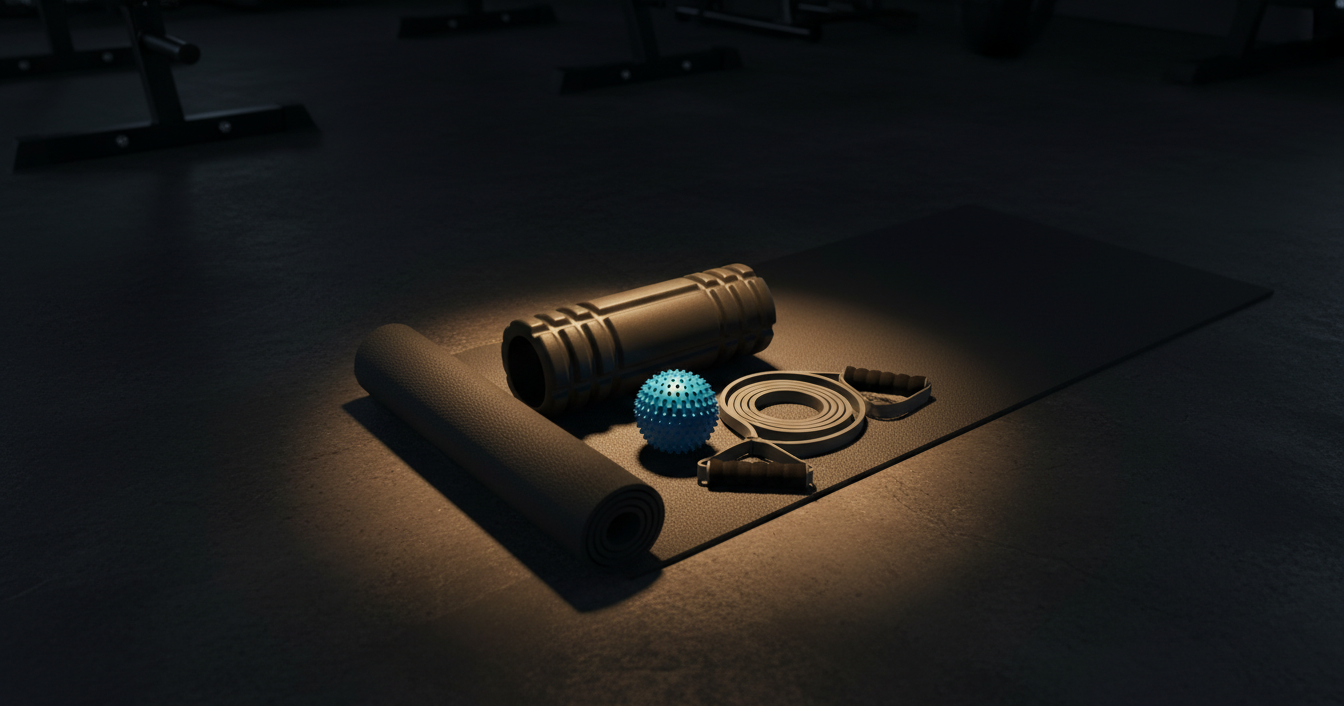
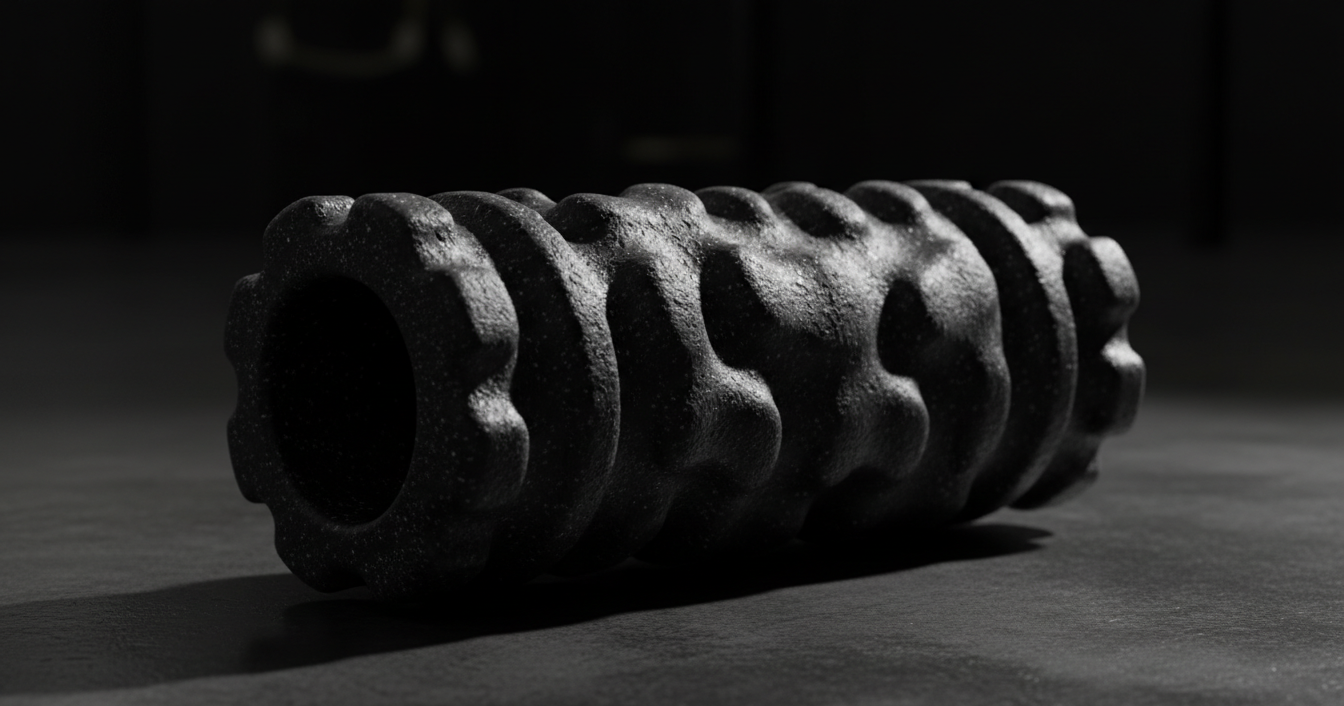
You don't need an expensive foam roller. A standard round roller (£10–20) is sufficient. Textured rollers are marginally more effective at pressure point release but not worth a significant price premium. Lacrosse or massage balls are useful for smaller muscles (glutes, calves, thoracic spine).
Technique
Slow, controlled rolling: Roll at roughly 1 inch per second — slow enough to actually feel where tension is present.
Pause on tender spots: When you find a tender point, hold pressure there for 20–30 seconds rather than rolling over it repeatedly. This is where the neurological relaxation effect occurs.
Avoid bony prominences and joints: Don't roll directly over the knee joint, IT band attachment at the hip, or spine. These aren't productive and can cause discomfort or bruising.
Breathe: Relaxed diaphragmatic breathing helps the nervous system relax into the pressure.
Duration: 30–60 seconds per muscle group is sufficient. Longer sessions beyond 10–15 minutes total provide diminishing returns.
Foam Rolling and Pain
If a muscle is acutely injured (not just sore), foam rolling is not appropriate. Sharp pain — as opposed to the "good pain" of a pressure point — is a signal to stop.
Extreme tenderness in a muscle several days after training could indicate rhabdomyolysis (a medical emergency in severe cases) — seek medical advice if soreness is severe, prolonged, or accompanied by dark urine.
Warning
Foam rolling is not a substitute for addressing actual mobility or flexibility limitations. If joint range of motion is severely restricted, a physiotherapist is a better investment than a foam roller.
The Bottom Line on Cut Usefulness
During a cut, recovery is slower due to reduced calorie availability. Foam rolling is a genuinely useful, free (if you own a roller), low-effort recovery tool that can meaningfully reduce soreness and maintain training quality between sessions.
It's not magic, but it works for what it actually does.
Pre-Workout Powder
Caffeine + citrulline + beta-alanine. Makes a noticeable difference on low-energy days.
Affiliate link. See our disclosure.
Key Takeaways
- Foam rolling reduces DOMS and improves acute range of motion — these effects are well-supported
- The "breaks up fascia" narrative is not supported by the forces involved
- Post-workout is the highest-value application for soreness reduction
- Pause on tender spots for 20–30 seconds rather than rolling back and forth repeatedly
- Useful on a cut because slower recovery benefits from any additional low-effort support
More like this